Lighting is most effective when it serves a clear purpose. Some areas require broad illumination, while others benefit from highlighting specific architectural or decorative features. Understanding where Spot Lights perform best compared to wider lighting solutions helps architects, designers, builders, and homeowners create more functional spaces.
Across Hyderabad, the growing emphasis on modern architecture has increased demand for lighting that not only illuminates spaces but also enhances their overall appearance. Spot lights have become an important part of this design approach.
What Are Spot Lights?
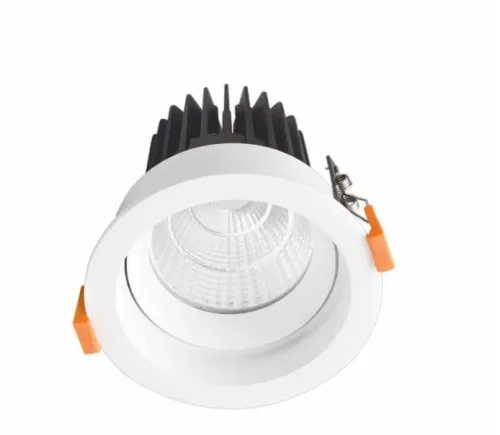
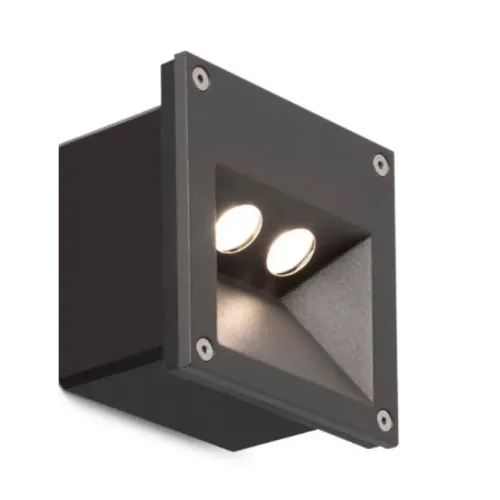
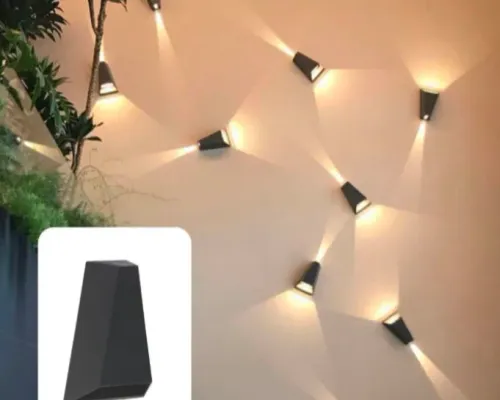
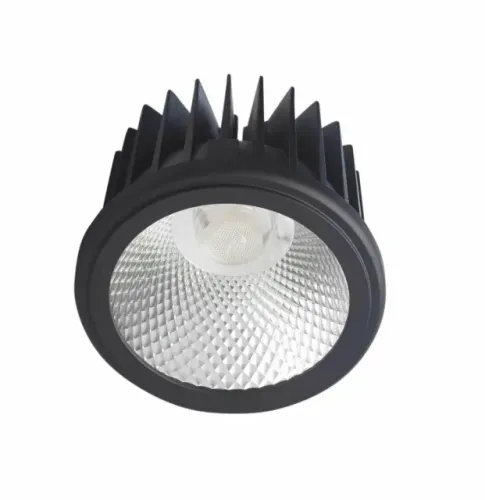
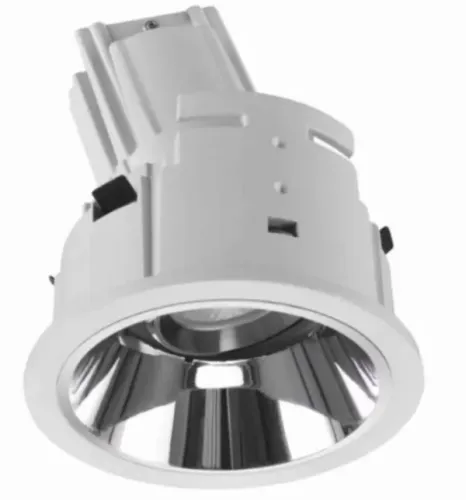
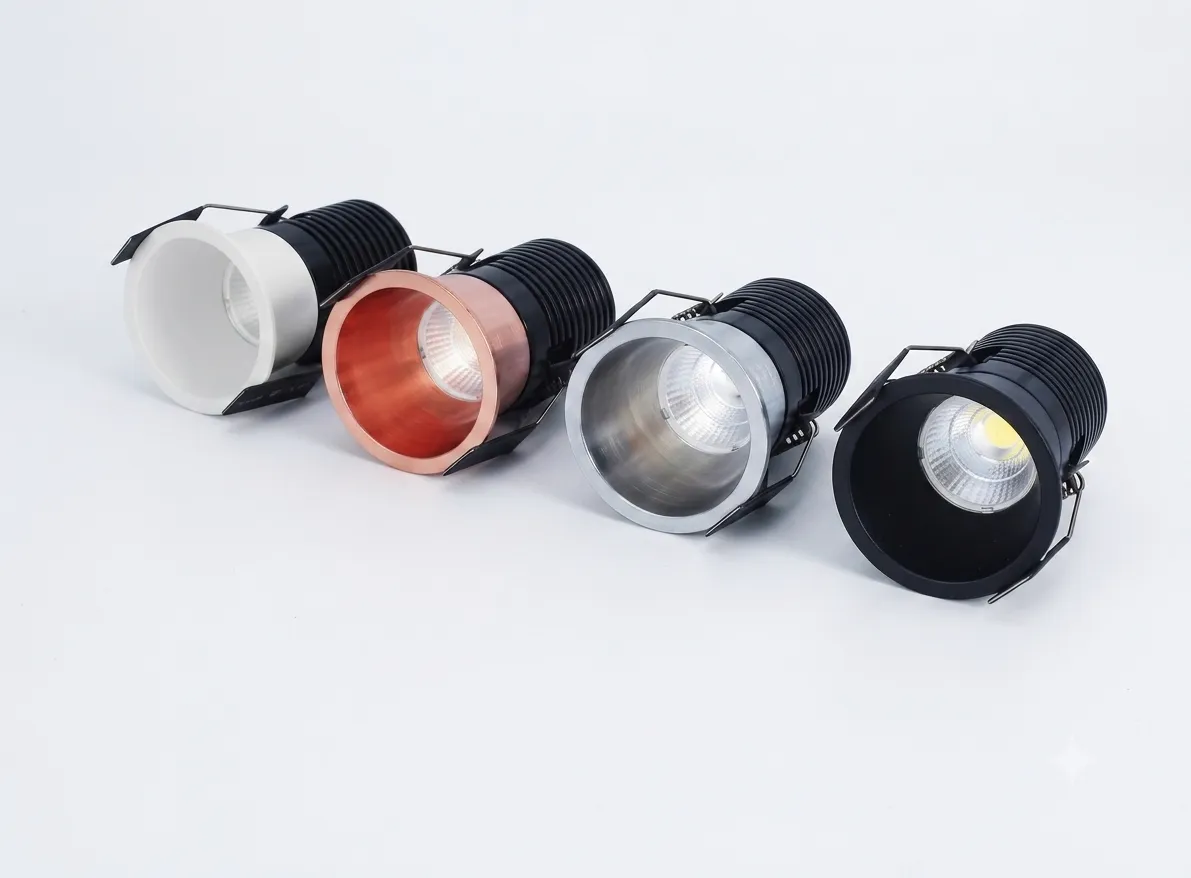
Spot lights are fixtures designed to produce a concentrated beam of light focused on a particular area or object.
Rather than illuminating an entire room, they direct attention toward:
- Artwork
- Display products
- Decorative walls
- Sculptures
- Reception counters
- Dining tables
- Architectural details
- Landscaping features
This targeted illumination creates depth, contrast, and visual interest.
When Are Spot Lights the Better Choice?
Spot lights are particularly useful when certain features deserve greater emphasis than the surrounding environment.
Examples include:
- Retail merchandise displays
- Hotel feature walls
- Restaurant décor
- Museum exhibits
- Residential artwork
- Kitchen islands
- Office branding walls
- Luxury wardrobes
Instead of increasing brightness everywhere, they improve the visual hierarchy of a space.
Understanding Beam Angles
Different beam angles create different effects.
A narrow beam concentrates light onto a small object, while a wider beam covers larger decorative surfaces.
The selection depends on:
- Viewing distance
- Mounting height
- Object size
- Desired visual impact
Choosing the wrong beam angle can either waste light or reduce the intended highlighting effect.
Spot Lights and Layered Lighting
Professional lighting designers rarely depend on one lighting type alone.
Instead, they combine:
- Ambient lighting
- Task lighting
- Accent lighting
Spot lights usually serve as accent lighting, complementing general illumination rather than replacing it.
This layered approach creates interiors that feel dynamic and visually comfortable.
- Indoor and Outdoor Applications
- Spot lights perform well in numerous environments.
Indoor applications include:
- Living rooms
- Retail outlets
- Office lobbies
- Hotel lounges
- Restaurants
Outdoor applications include:
- Landscape features
- Building façades
- Gardens
- Walkways
- Entrance signage
Many commercial properties in Hyderabad use outdoor spot lighting to improve nighttime visibility while enhancing architectural appeal.
LED Spot Lights and Energy Savings
Modern LED technology has made spot lighting more efficient than ever.
Benefits include:
- Reduced electricity consumption
- Longer operating life
- Lower maintenance requirements
- Stable brightness
- Better colour consistency
These characteristics make LED spot lights practical for both small residential projects and large commercial developments.
Factors to Consider Before Selection
Before choosing spot lights, it is helpful to evaluate:
- Beam angle
- Mounting height
- Wattage
- Colour temperature
- Indoor or outdoor use
- Dimming requirements
- Desired lighting effect
Each factor contributes to achieving the intended balance between functionality and aesthetics.
Lighting manufacturers such as The LightHouse provide spot lighting solutions suitable for a broad range of architectural applications. Through the information available on thelighthouseindia.in, architects, electrical consultants, builders, and homeowners can explore options that align with project requirements without compromising design flexibility.
As Hyderabad continues embracing sophisticated residential and commercial architecture, thoughtfully planned spot lighting remains an effective way to create interiors and exteriors that feel engaging, functional, and visually memorable.
Keywords