
Decorative lighting is often treated as the finishing touch in interior design, but it can influence a space just as strongly as furniture, wall finishes, flooring, and colour.
Modern decorative LED lights allow homeowners and designers to introduce visual character while benefiting from the efficiency and versatility of LED technology.
Decorative Lighting Should Have a Purpose
A beautiful fixture can become a focal point, but good decorative lighting contributes to the overall lighting scheme rather than competing with it.
It can be used to:
- Highlight architectural details
- Create visual warmth
- Define seating areas
- Add depth to walls
- Draw attention to artwork
- Emphasise dining tables
- Create ambience in hospitality spaces
Thinking about the intended effect first makes fixture selection easier.
Pendant Lights Can Define Important Areas
Pendant lighting works particularly well above dining tables, breakfast counters, reception desks, café tables, and kitchen islands.
The fixture becomes part of the visual composition even when switched off.
Scale matters, however. A small pendant can disappear over a large table, while an oversized fitting can overwhelm a compact room.
Ceiling height and hanging level should therefore be checked before installation.
Wall Lighting Adds Layers
A room illuminated entirely from the ceiling can sometimes appear flat.
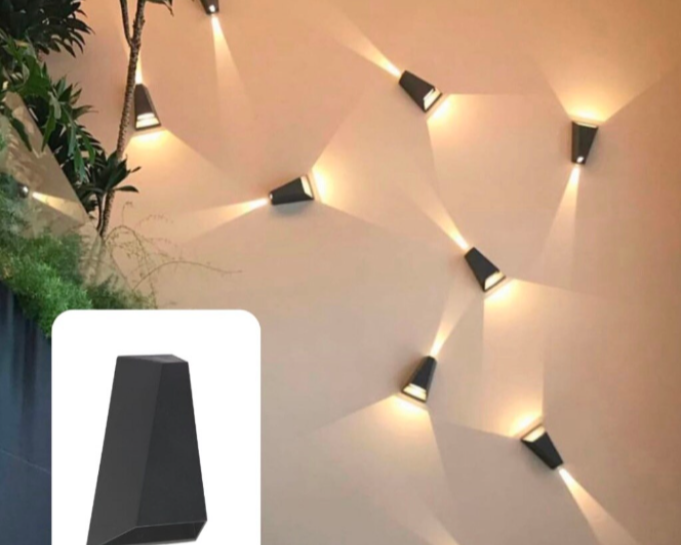
Decorative wall lights introduce another lighting layer and can make walls, passages, bedrooms, lounges, and hospitality interiors more visually interesting.
Depending on the design, a wall fixture may produce upward illumination, downward illumination, diffused light, or a patterned effect across the wall.
LED Strips Can Highlight Architecture
LED strips are useful when the light source itself should remain relatively discreet.
Common applications include:
- Cove ceilings
- Shelves
- Display units
- Wardrobes
- Kitchen cabinets
- Staircases
- Headboards
- Recessed architectural details
The quality of installation makes a major difference. Visible LED dots, uneven placement, or poorly concealed drivers can reduce the finished appearance.
Warmth Changes the Character of a Room
Decorative lighting is not only about fixture design.
Colour temperature influences how the entire environment feels.
Warmer light can complement timber, warm fabrics, earthy finishes, and intimate spaces. Neutral tones may suit contemporary interiors where a cleaner appearance is preferred.
The surrounding materials should be considered before selecting the light colour.
Dimming Adds Flexibility
A living room may need brighter illumination when guests arrive and softer lighting while watching television. A restaurant may require different lighting levels during preparation and evening service.
Compatible dimming allows decorative lighting to adapt to different activities.
However, the LED product, driver, and dimmer must be mutually compatible to achieve smooth performance.
Efficiency Still Deserves Attention
Decorative fixtures may contain integrated LED modules or replaceable LED lamps.
In either case, buyers should consider energy consumption alongside appearance. LEDs can deliver decorative illumination with relatively low power requirements compared with older lighting technologies.
This becomes especially useful when multiple decorative lights are used throughout a property.
Create a Coordinated Lighting Palette
Using many decorative fixtures does not automatically create a better interior.
A more refined approach is to establish a visual language. Fixtures may share similar finishes, shapes, materials, or design characteristics without being identical.
Interior designers working on villas, apartments, restaurants, hotels, and commercial properties across Hyderabad often coordinate decorative fixtures with architectural lighting to create a complete environment.
Lighting solution providers such as The LightHouse can support this approach by considering both aesthetics and technical requirements.
Decorative LED lighting is most effective when beauty, efficiency, scale, brightness, and ambience work together. The goal is not simply to add another attractive object to the ceiling or wall, but to make the entire space feel intentionally illuminated.