
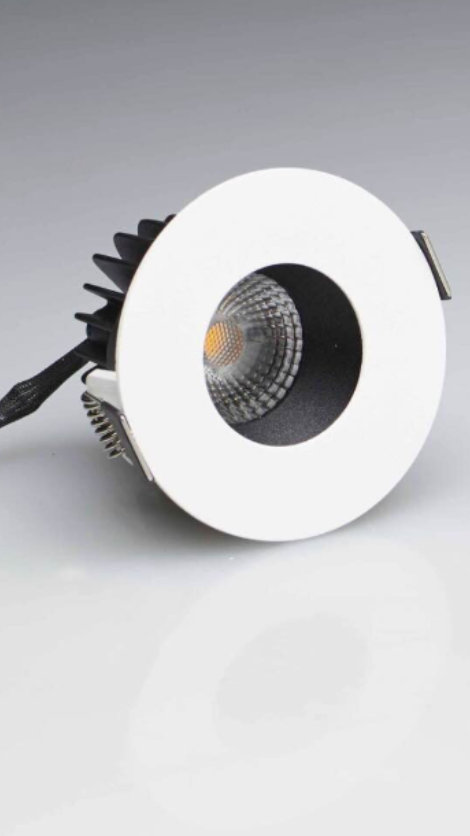
Lighting can represent a meaningful part of electricity consumption in homes, shops, offices, hotels, restaurants, warehouses, and other properties. When lights operate for several hours every day, even relatively small efficiency improvements can accumulate over time.
This is where energy-efficient LED lighting can make a practical difference.
LEDs Produce Light More Efficiently
Traditional lighting technologies can use considerably more electrical power to provide a comparable amount of useful illumination.
LED technology is designed to produce light with lower power consumption, although actual efficiency varies between products.
When comparing LED options, do not judge efficiency from wattage alone. Look at the relationship between lumens and watts.
Lumens indicate light output, while watts indicate electrical consumption.
A product that provides the required lumen output using fewer watts is generally more efficient than one requiring greater power for similar brightness.
Operating Hours Influence Potential Savings
The financial effect of efficient lighting depends heavily on how long the lights operate.
Consider two installations.
A bedroom light used for a few hours each evening has relatively limited annual operating hours. Lighting in a retail showroom that remains illuminated for 10 or 12 hours each day has much higher usage.
This means efficiency can have particularly significant operational value for:
- Retail stores
- Offices
- Hotels
- Restaurants
- Hospitals
- Educational facilities
- Warehouses
- Common areas in buildings
- Commercial properties
For businesses in Hyderabad, evaluating daily operating hours is therefore useful when planning a lighting upgrade.
Lower Wattage Is Not Enough by Itself
Replacing a high-wattage product with the lowest-wattage LED available is not automatically a good decision.
The new fixture must still provide appropriate illumination.
An office with inadequate lighting may affect visual comfort. A retail store may lose product visibility. A poorly illuminated parking area may create practical safety concerns.
The objective should be lower energy consumption while maintaining suitable lighting performance.
Lighting Design Can Reduce Unnecessary Consumption
Efficiency is not achieved only through individual products.
A well-designed system can reduce wasted light by delivering illumination where it is actually needed.
For example, task lighting can illuminate desks or work surfaces without excessively increasing general illumination throughout an entire room.
Similarly, focused display lights can highlight merchandise without requiring every retail fixture to operate at maximum brightness.
Controls Can Improve Efficiency Further
LED systems can be combined with suitable controls depending on the application.
Options may include:
- Occupancy sensors
- Timers
- Dimming systems
- Daylight-responsive controls
- Smart lighting controls
- Separate lighting zones
A conference room, for instance, does not necessarily need full lighting when it is unoccupied. Outdoor architectural lighting may not need to operate throughout daylight hours.
Automation helps align electricity use with actual demand.
Long-Term Cost Matters More Than Purchase Price Alone
Lighting costs should be evaluated over the period in which the system will operate.
Consider:
Purchase cost + electricity consumption + maintenance + replacement requirements.
A cheaper fixture that consumes more electricity or requires frequent replacement may not necessarily deliver better long-term value.
Commercial buyers should pay particular attention to this calculation because large quantities of fixtures and extended operating hours magnify small differences.
Heat Management Also Matters
LED products still generate heat, even though their operating characteristics differ from traditional lamps.
Good thermal management contributes to reliable performance. Product design, drivers, installation conditions, and ventilation can all influence how an LED system performs over time.
This is one reason technical quality should be considered alongside advertised wattage.
Hyderabad homeowners and businesses assessing efficient lighting can compare products based on lumens, wattage, expected usage, controls, application requirements, and overall system design.
Manufacturers and lighting solution providers such as The LightHouse can also help buyers evaluate lighting from a project perspective rather than treating every fixture as an isolated purchase.
Energy-efficient LED lighting works best when efficiency and illumination quality are planned together. The greatest value comes not simply from consuming fewer watts, but from using electricity intelligently while maintaining the light people actually need.