
Lighting inside a retail store does much more than make products visible. It influences how customers perceive colours, displays, merchandise, pathways, and even the overall quality of the shopping environment.
Well-planned retail store LED lighting combines general illumination with focused lighting so that customers can navigate comfortably while important products receive greater visual attention.
Start With Comfortable Ambient Lighting
Ambient lighting provides the general illumination customers need to move around the store.
If it is too dim, shoppers may struggle to inspect products. If it is excessively bright, the space can feel harsh and visually tiring.
Instead of treating every square metre equally, retailers can establish a comfortable base level of illumination and then use accent lighting where additional attention is needed.
Use Accent Lighting to Build Visual Hierarchy
Not every product should receive exactly the same lighting emphasis.
Accent lighting can draw attention toward:
- New arrivals
- Premium collections
- Promotional displays
- Mannequins
- Feature walls
- Window displays
- Brand signage
- High-value merchandise
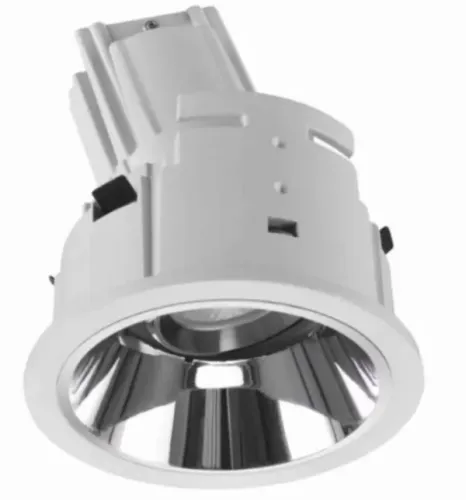
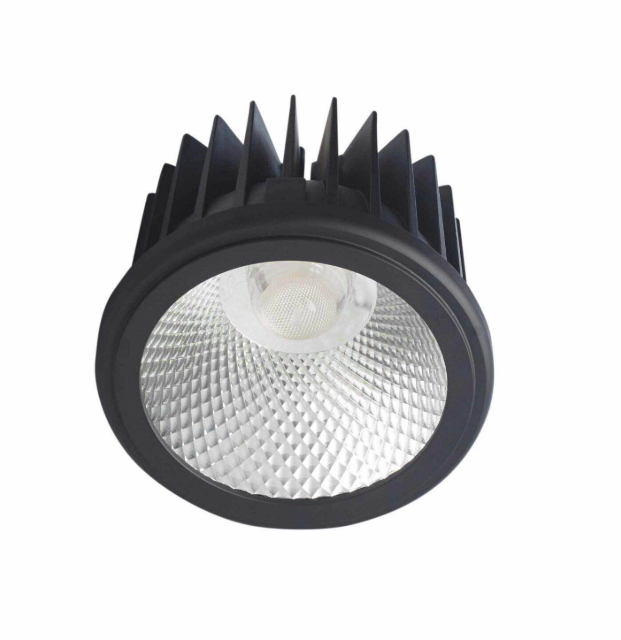
Track lights and adjustable spotlights are particularly useful because their direction can be modified as store layouts change.
This flexibility can be valuable for fashion stores and other retailers that frequently update displays.
Pay Attention to Colour Rendering
Customers want to see products accurately.
Colour Rendering Index, commonly referred to as CRI, indicates how faithfully a light source reveals colours compared with a reference source.
Good colour rendering can be especially important for stores selling clothing, cosmetics, jewellery, furniture, furnishings, food, artwork, and other colour-sensitive products.
Poor lighting may make attractive merchandise appear dull or alter the way customers perceive its colour.
Match Colour Temperature to the Brand Environment
Lighting should support the atmosphere a retailer wants to create.
A premium boutique may prefer warmer illumination for a relaxed and sophisticated environment. A contemporary electronics showroom may choose a cleaner, cooler appearance. Grocery, jewellery, fashion, and furniture stores may each require different approaches.
The important point is consistency.
Randomly mixing noticeably different colour temperatures can make a retail interior appear visually disconnected.
Give Window Displays Their Own Lighting Strategy
For many stores, the customer experience begins before someone walks through the entrance.
Window displays compete with surrounding shops, signage, daylight, and other visual distractions. Focused LED lighting can help create contrast and make featured merchandise easier to notice.
Adjustable fixtures also allow the display to change without requiring a completely new lighting installation.
Avoid Glare Around Reflective Surfaces
Glass counters, polished flooring, mirrors, glossy displays, and digital screens can create uncomfortable reflections when fixtures are positioned poorly.
Fixture placement and beam direction should therefore be considered together with the interior layout.
This is particularly relevant in Hyderabad's jewellery stores, fashion outlets, electronics showrooms, and premium retail spaces where reflective materials are common.
Consider Lighting in Trial and Decision Areas
Changing rooms, mirrors, consultation counters, and billing areas deserve careful attention because customers make important decisions in these spaces.
For example, harsh overhead lighting in a changing room can create shadows that make clothing appear less flattering. More balanced illumination around mirrors can improve visual comfort.
Similarly, billing counters require sufficient functional light without making customers feel as though they are standing under an intense spotlight.
Design for Energy Efficiency Too
Retail lights may remain switched on for many hours every day. Efficient LEDs can therefore help reduce lighting-related electricity consumption compared with less efficient technologies.
Zoning and lighting controls can improve efficiency further by allowing different areas to operate according to actual requirements.
Retailers planning new outlets or renovations in Hyderabad, Telangana, can benefit from discussing fixture selection and layout with an architectural lighting provider such as The LightHouse rather than selecting products independently.
Successful retail lighting is rarely about installing more lights. It is about putting the right type of illumination in the right location so merchandise looks appealing, customers feel comfortable, and the store remains practical to operate.