Decorative lighting has become an essential part of modern architecture and interior design. Whether the goal is to enhance a residential balcony, illuminate a retail storefront, create ambience in a restaurant, or highlight landscape features, choosing the right lighting product can significantly influence the final result. One common question among homeowners, architects, and builders in Hyderabad is whether Rope Lights or LED strip lights are the better option.
Although these two lighting solutions appear similar at first glance, they are designed for different applications. Understanding their strengths and limitations helps ensure the lighting performs well while complementing the overall design.
What Are Rope Lights?
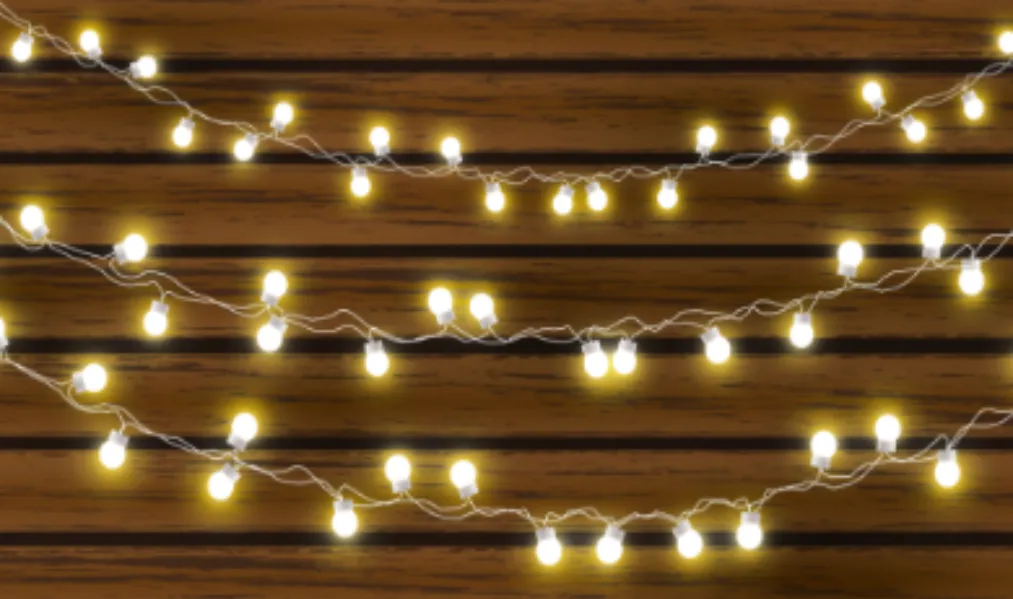
Rope lights consist of a series of LED lamps enclosed within a flexible, transparent PVC tube. The protective casing makes them more resistant to dust, moisture, and accidental handling compared to exposed LED strips.
Because of their durable construction, rope lights are widely used for decorative installations that require flexibility and reliability.
Typical applications include:
- Building outlines
- Balcony railings
- Garden pathways
- Festival decorations
- Outdoor cafés
- Hotel exteriors
- Retail displays
- Landscape borders
Their ability to bend around curves and architectural elements makes them highly versatile.
How Do They Compare with LED Strip Lights?
While both products use LED technology, their intended uses differ.
Durability
Rope lights are generally more durable for outdoor or semi-exposed environments because the LEDs are protected inside the tubing.
Brightness
LED strip lights often provide brighter and more focused illumination for indoor accent lighting, whereas rope lights produce softer decorative lighting.
Installation
Rope lights are relatively easy to install around curved surfaces without additional protective channels.
Maintenance
The enclosed construction helps protect rope lights from dust and moisture, reducing maintenance requirements in many outdoor settings.
Choosing the Right Application
Selecting between rope lights and LED strips depends on the project.
Rope lights are well suited for:
- Outdoor decorative lighting
- Garden pathways
- Terrace railings
- Building façades
- Event decorations
- Hospitality landscapes
LED strips are generally preferred for:
- Cove lighting
- Furniture lighting
- Shelving
- Under-cabinet lighting
- Architectural recesses
Understanding these differences prevents unnecessary replacements later.
Things to Consider Before Buying
Before selecting rope lights, evaluate:
- Indoor or outdoor installation
- IP protection rating
- Colour temperature
- Brightness requirements
- Installation length
- Power source
- Maintenance accessibility
These factors help ensure the product performs reliably over time.
Why Rope Lights Continue to Be Popular
Decorative lighting trends continue to evolve, but rope lights remain relevant because they combine flexibility with durability. Their weather-resistant construction makes them particularly useful in Hyderabad, where lighting installations often experience changing environmental conditions throughout the year.
Restaurants, hotels, commercial buildings, and residential projects continue to use rope lights to create inviting outdoor environments without requiring complicated installation methods.
Selecting Quality Products
The performance of decorative lighting depends not only on design but also on product quality. Reliable manufacturers focus on consistent brightness, durable materials, and efficient LED technology to ensure long-term performance.
Companies such as The LightHouse offer rope lighting solutions designed for architectural, residential, and commercial applications. Through the information available on thelighthouseindia.in, architects, contractors, and homeowners can explore products suited to various decorative lighting requirements.
Choosing the right decorative lighting solution is less about following trends and more about selecting products that suit the environment, intended application, and long-term maintenance expectations.
Keywords