Outdoor lighting has to perform under very different conditions from indoor lighting. It must provide useful visibility while coping with environmental exposure, changing darkness levels, and the practical requirements of entrances, pathways, parking areas, façades, and landscapes.
Selecting the right outdoor LED lights can improve night-time visibility while making exterior areas easier to navigate.
Start With the Areas People Actually Use
Instead of illuminating every outdoor surface equally, identify where people move, enter, park, or need to see obstacles.
Priority areas may include:
- Main entrances
- Gates
- Driveways
- Parking spaces
- Pathways
- Staircases
- Building perimeters
- Service entrances
- Loading areas
Lighting these locations appropriately can improve orientation and reduce dark zones around frequently used spaces.
Avoid Assuming Brighter Is Always Safer
Extremely bright lighting can create glare.
When someone looks toward a high-intensity exposed source, their ability to see surrounding darker areas can actually become worse.
Good outdoor lighting aims for useful distribution and controlled contrast rather than maximum brightness everywhere.
Fixture positioning, mounting height, beam angle, and shielding all influence the result.
Check Environmental Protection
Outdoor fixtures may encounter dust, rain, humidity, and other environmental conditions.
Ingress Protection ratings help indicate the level of protection a product provides against solids and moisture.
The appropriate rating depends on the installation location and degree of exposure. A covered exterior corridor and a fully exposed landscape fixture may not have identical requirements.
Use the Right Beam for the Job
Pathway lighting and façade lighting perform different tasks.
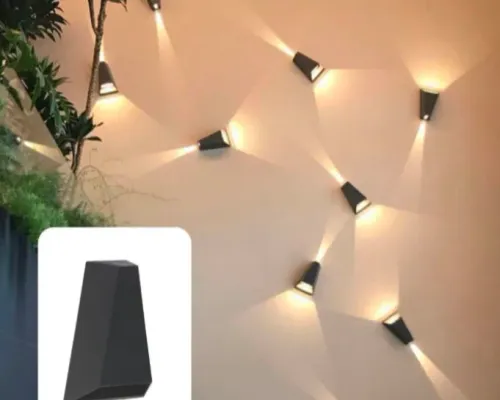
A broad distribution may be useful for circulation areas, while a more controlled beam can highlight landscaping or architectural features.
Floodlighting can cover larger areas, but its direction should be carefully managed to avoid unnecessary spill into windows or neighbouring properties.
Motion Sensors Can Be Useful in Selected Areas
Not every exterior light needs to remain at full output throughout the night.
Compatible motion sensing can be useful around service areas, secondary entrances, driveways, or other locations where lighting is required mainly when movement occurs.
Timers and photocell-based controls can also help align operation with darkness and usage patterns.
Think About Colour Temperature
Exterior lighting does not automatically need to be extremely cool white.
Residential landscapes and hospitality environments may benefit from warmer illumination, while selected functional applications may use a more neutral appearance.
The architecture, surrounding materials, visibility requirements, and desired atmosphere should guide the choice.
Combine Functional and Architectural Lighting Carefully
A building may require both practical security-related illumination and decorative façade lighting.
These systems should complement rather than compete with one another.
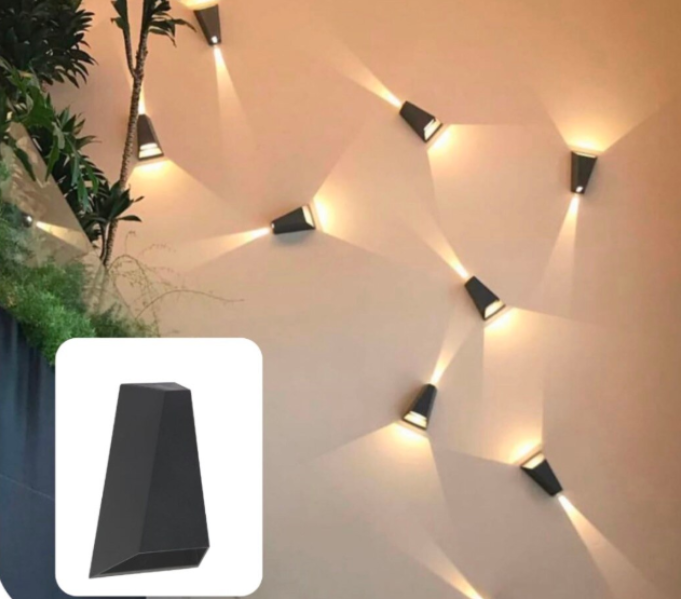
For example, entrance lighting can provide sufficient visibility while concealed architectural fixtures highlight textures or structural features.
This layered approach creates a more polished exterior without sacrificing function.
Consider Maintenance Access
Outdoor fixtures are sometimes installed high on walls, façades, poles, or landscape structures.
Before installation, consider how products will be accessed for inspection, cleaning, driver servicing, or replacement.
Reliable products and sensible placement can reduce unnecessary maintenance difficulties.
Properties across Hyderabad and Telangana may experience dust, seasonal rain, heat, and extended outdoor operating hours, making product suitability particularly important.
For residential, hospitality, retail, and commercial projects, an architectural lighting provider such as The LightHouse can help evaluate exterior products according to location, application, and required lighting effect.
Effective outdoor LED lighting is not simply about making a property bright. It is about improving visibility where it matters, controlling glare, selecting fixtures suited to environmental exposure, and creating an exterior that remains functional after sunset.
Keywords