
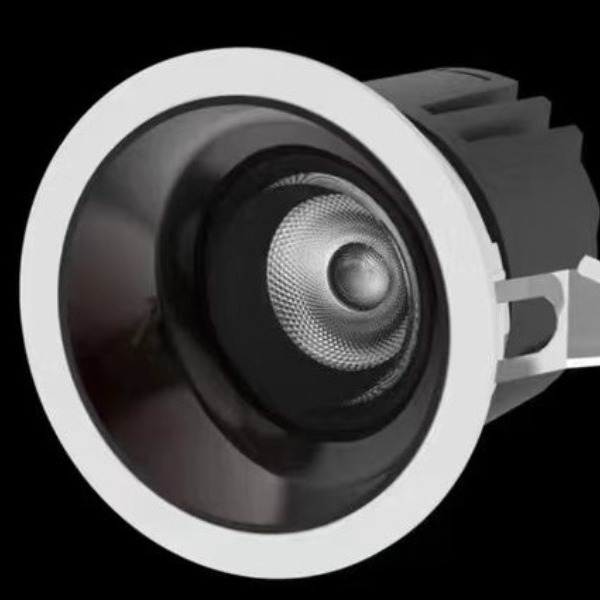
LED lighting has transformed the way homes and workplaces are illuminated. Modern LED products provide better energy efficiency, longer service life, improved brightness, and greater design flexibility than traditional lighting solutions. However, selecting the right lighting requires more than choosing the first fixture available.
Whether you are furnishing a new home, renovating an office, or upgrading an existing property in Hyderabad or elsewhere in Telangana, understanding the essential factors involved in buying LED lights can help you make a better long-term investment.
Define the Purpose Before Purchasing
Every room has different lighting needs.
A family living room requires comfortable lighting that creates a welcoming atmosphere, while a conference room needs consistent illumination for meetings and presentations.
Before purchasing LED lights, identify:
- Daily activities performed in the room
- Size of the space
- Ceiling height
- Natural light availability
- Desired ambience
Understanding these factors makes product selection much easier.
Calculate the Right Brightness
One of the most common mistakes is purchasing lighting that is either too bright or too dim.
Brightness should be measured using lumens rather than wattage.
Larger rooms generally require higher total light output, while smaller spaces may need fewer fixtures strategically positioned to provide even illumination.
Balanced lighting improves comfort while reducing unnecessary electricity usage.
Choose Suitable Colour Temperature
Colour temperature significantly affects how a room feels.
Typical recommendations include:
- Warm lighting for bedrooms and lounges
- Neutral lighting for kitchens and study rooms
- Cool lighting for offices and commercial workspaces
Maintaining consistent colour temperature throughout connected spaces also creates a more cohesive appearance.
Select Fixtures That Complement the Interior
Lighting contributes to interior aesthetics as much as furniture or décor.
Popular fixture options include:
- Ceiling-mounted lights
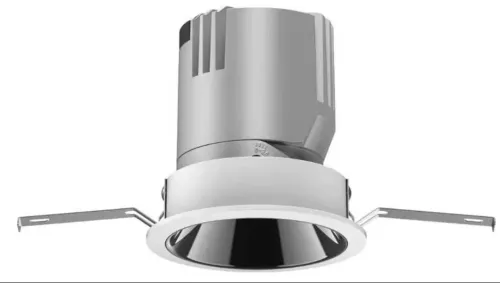
- Recessed LED panels
- Pendant lighting
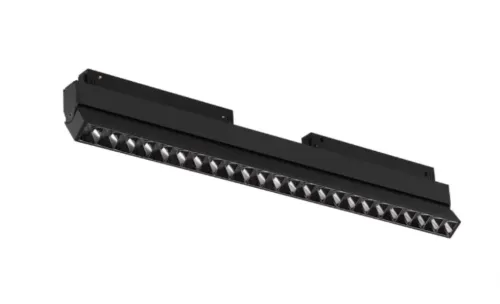
- Architectural profile lighting
- Decorative wall lighting
- Suspended office fixtures
The selected style should support both the design theme and practical lighting requirements.
Prioritise Energy Savings
Energy efficiency remains one of the biggest advantages of LED technology.
Well-designed LED lighting helps reduce electricity bills while delivering consistent illumination over many years.
Businesses operating offices, retail stores, educational institutions, and commercial buildings can benefit from substantial long-term operational savings through efficient lighting design.
Consider Product Lifespan
Replacing lighting frequently increases maintenance costs and operational inconvenience.
When comparing products, evaluate:
- Expected operating hours
- Driver reliability
- Heat management
- Material quality
- Warranty support
Long-lasting lighting provides better overall value even if the initial purchase price is slightly higher.
Evaluate Installation Requirements
Not every lighting product suits every ceiling or electrical layout.
Before purchasing, consider:
- Existing wiring
- Ceiling construction
- Mounting method
- Maintenance accessibility
- Future expansion possibilities
Early planning helps prevent unexpected installation challenges.
Think Beyond Individual Fixtures
Effective lighting design considers how multiple fixtures work together.
Layered lighting often combines:
- General illumination
- Accent lighting
- Task lighting
- Decorative lighting
This approach creates comfortable environments while improving functionality and visual appeal.
Look for Consistent Product Quality
Large residential and commercial projects require lighting consistency.
Variations in brightness or colour temperature between fixtures can negatively affect the finished appearance.
Reliable manufacturers maintain strict quality standards to ensure uniform lighting performance across entire installations.
Seek Professional Guidance
Architects, builders, electrical consultants, and homeowners often benefit from consulting experienced lighting specialists before making purchasing decisions.
The LightHouse works with various project types, offering LED lighting solutions that address residential, commercial, and industrial requirements while considering performance, energy efficiency, and modern architectural design.
Professional recommendations become particularly valuable when projects involve multiple lighting categories and specialised installation requirements.
Plan for Future Needs
Technology continues to evolve, and modern buildings increasingly incorporate automation and intelligent lighting controls.
Selecting adaptable LED lighting today can simplify future upgrades involving smart controls, occupancy sensors, daylight harvesting, and programmable lighting systems.
Planning ahead protects the long-term value of the investment.
Buying LED lights for homes and offices should involve careful evaluation of performance, efficiency, design compatibility, durability, and installation requirements. A thoughtful approach results in lighting that enhances everyday comfort, improves productivity, lowers operating costs, and complements the overall design of the property.