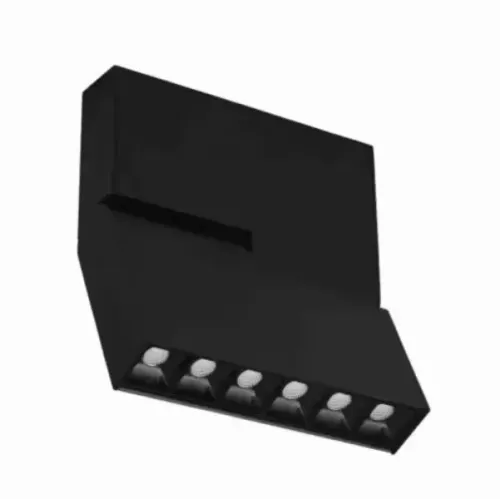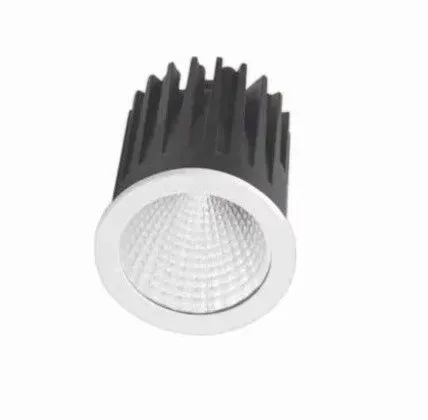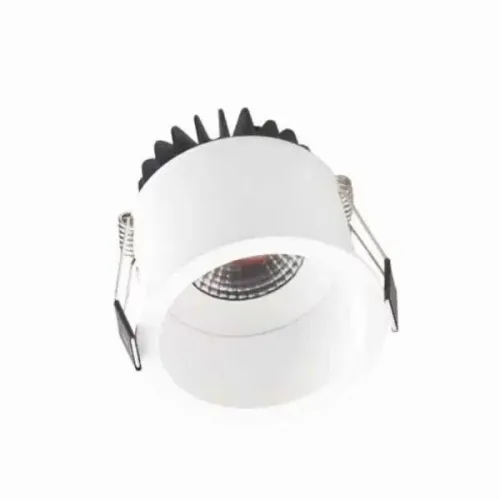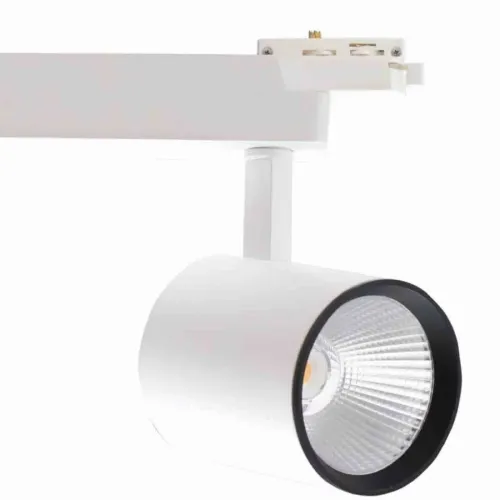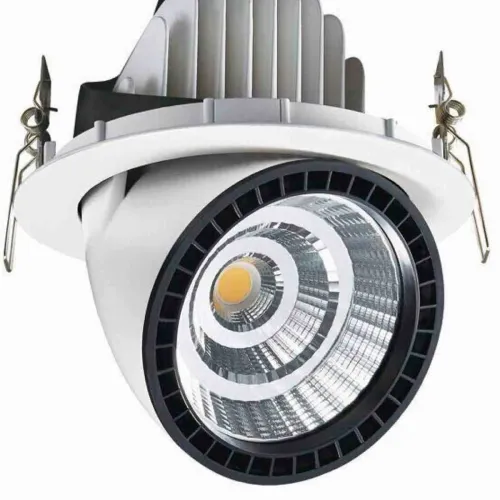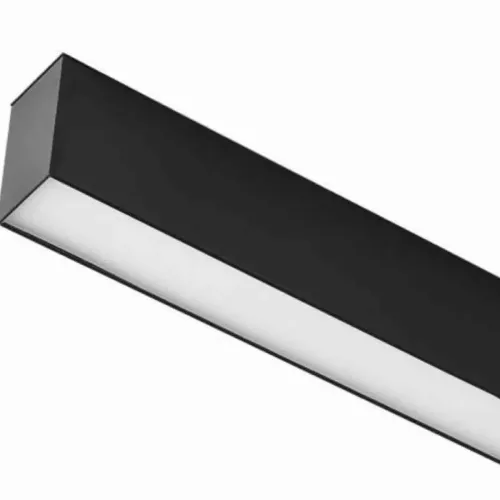
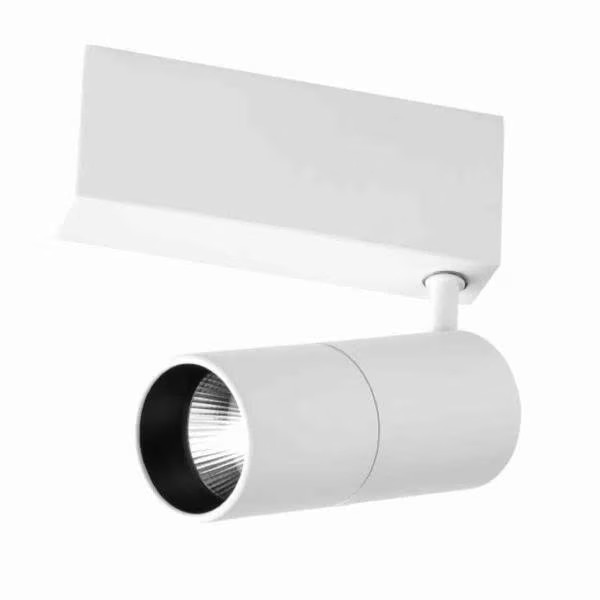
The right magnetic track system depends less on appearance than on your ceiling construction, room height, electrical design, optics, and maintenance plan. By the end, you will be able to match the rail format, voltage, modules, beam angles, controls, and driver arrangement to a specific Hyderabad interior before ordering.
Key takeaways
- Use surface-mounted track when cutting the ceiling is not possible.
- Match beam angle and glare control to each room’s visual task.
- Plan rail lengths, lighting zones, modules and driver location together.
- Request photometric files, wiring details and installation drawings before ordering.
Start with the ceiling, room height, and furniture plan
The ceiling decides which magnetic track lighting option is right for interiors in Hyderabad. Choose surface-mounted track for a finished RCC ceiling, retrofit work, or any project where cutting the slab or false ceiling is not possible. It installs below the existing surface, but still needs secure fixings and a planned driver location.
| Option | Physical fit | Layout use |
|---|---|---|
| Surface-mounted | Finished RCC, shallow false ceiling, or no-cut retrofit | Straight, L-shaped, or grid |
| Recessed or trimless | Ceiling depth for the rail, rigid support, accurate cut-outs, and future access to drivers and connections | Clean, continuous ceiling lines |
| Suspended | High rooms, exposed beams or ducts, services, or a stretch-ceiling plane | Drops the rail below obstructions or the finished ceiling |
For a stretch ceiling, attach the rail to a structural frame before the membrane is installed. Never let the membrane carry the fixture load; keep the driver and connections serviceable above it.
Map kitchen counters, islands, artwork, display walls, desks, furniture, and circulation paths before selecting the shape. A straight rail suits a linear island or corridor, an L-shaped rail follows two display or wall planes, and a grid provides flexible zoning across a larger room.
If the room is low, check that a suspended rail will not obstruct movement or sightlines.
Decide whether magnetic track is better than the alternatives
Choose magnetic track when you expect to reposition, replace, or combine spotlights, linear modules, pendants, and wall washers. That flexibility makes magnetic track lighting in Hyderabad the stronger choice for changing homes, retail displays, galleries, hospitality interiors, and multi-use rooms.
| Option | Best when | Main trade-off |
|---|---|---|
| Magnetic track | You need interchangeable modules and future re-aiming | Higher system coordination and driver dependence |
| Conventional track | You need simple directional lighting at lower complexity | Heads and adapters depend on the track standard |
| Recessed downlights | Furniture and lighting positions will remain fixed | Clean ceiling pattern, but little repositioning |
| Linear profiles | You need continuous light over counters, shelves, coves, or long desks | Less suitable for isolated feature aiming |
| Fixed spots | One artwork, display, or architectural feature will not change | Replacement or repositioning is limited |
Compare the complete installation, not only the visible rail. Check the driver location, earthing, touch protection, heat dissipation, service access, dimming, and replacement parts before approval.
A 48 V DC system keeps exposed conductors at extra-low voltage, but it still needs a correctly sized remote or integrated driver; divide long runs into electrical zones when load, voltage drop, driver capacity, or control demands require it.
A 230 V track can simplify wiring, yet requires closer attention to switching, insulation, earthing, touch protection, and local electrical compliance. A cheaper rail is a poor choice if its modules, connectors, or driver cannot be replaced consistently after handover.
Choose optics, colour, glare control, and dimming for the room’s job
Choose optics by the target, mounting height, and spacing—not wattage alone. Magnetic track light options with 15–24° beams suit artwork, feature walls, and retail accents; 24–36° beams suit general accent lighting; 36–60° beams reduce scalloping across broad walls and open areas.
Confirm the photometric IES or LDT file: two 12 W modules can produce very different centre illuminance and uniformity.
| Beam | Best use | Main check |
|---|---|---|
| 15–24° | Artwork, feature walls, merchandise | Aim accurately; avoid harsh hotspots |
| 24–36° | General accent lighting | Match spacing to mounting height |
| 36–60° | Large walls and open areas | Check wall uniformity and spill |
Use CRI 90 or higher for homes, hospitality, galleries, fashion, food, and premium retail. CRI 80 or higher suits many general commercial areas. Request TM-30 data, especially Rf for colour fidelity and Rg for gamut.
- Select 3000 K for warm residential or hospitality schemes; use 3500–4000 K for offices, clinics, retail, and daylight-heavy interiors. Keep one CCT on a visual axis, and request MacAdam SDCM data for premium projects.
- Specify glare performance, cutoff angle, and UGR where relevant. Request flicker data, including PstLM and SVM, for offices, classrooms, video-call areas, and filmed retail spaces.
- Name the control protocol at tender stage: phase-cut, 0–10 V, DALI-2, DMX, or Casambi. These systems are not interchangeable.
Calculate the rail, modules, zones, and driver before ordering
Start with the reflected ceiling plan: draw every straight, corner, and suspended segment, then measure each one. Place spotlights, linear modules, pendants, and wall washers against furniture, artwork, counters, and wall targets. Test the spacing at the actual mounting height; wide gaps create dark spots even when total wattage looks adequate.
Before ordering a magnetic track for interior projects, record:
- Count each module type separately because beam spread, wattage, and aiming requirements differ.
- Add the simultaneous connected wattage, divide it by the driver output, and leave practical headroom instead of running the driver continuously at its limit.
- Confirm the manufacturer’s voltage-drop limit, maximum rail length, feed points, connector polarity, and allowable circuit arrangement. No universal safe length applies to every 48 V rail.
- Match rail voltage, driver, mechanical retention, dimming protocol, connector, and module family exactly. Similar-looking modules are not automatically compatible.
- Check the driver’s rated ambient temperature above a warm false ceiling, inside a cove, or behind a stretch ceiling. Use IP20 in dry interiors; choose higher IP protection only for genuine moisture exposure, since sealing can restrict heat dissipation.
Divide the run when one zone cannot handle the electrical or control demand.
| Trigger | Design response | Risk if ignored |
|---|---|---|
| Load exceeds driver capacity | Add a driver or zone | Overheating or shutdown |
| Voltage drop reaches the system limit | Add feed points or split the rail | Uneven output |
| Long rail exceeds permitted length | Use separate electrical zones | Unreliable operation |
| Different room uses need separate control | Create control zones | Poor scene control |
Use the supplier’s technical documents to make the final Hyderabad choice
Approve the system only after your magnetic LED track supplier in Hyderabad submits one coordinated technical schedule.
It must identify the rail cross-section and fixing method, straight and corner connectors, module wattages, CCT, CRI, TM-30 data where required, beam angles, IES or LDT photometric files, driver model, ambient-temperature range, dimming compatibility, warranty, spare-module availability, and installation drawings.
Ask for a reflected ceiling plan that marks feed points, driver access, circuit zones, module spacing, and service clearances. A rail that looks correct in a catalogue can become unserviceable when its driver is buried above a false ceiling.
Request these controls before approval:
- For offices, classrooms, retail areas, and video-call backgrounds, obtain measured PstLM and SVM values, or equivalent flicker test data.
- For DALI-2, confirm compatible controlgear, wiring topology, addressing, commissioning responsibility, and emergency-lighting arrangements. The DALI-2 label alone does not prove a complete control solution.
- Check that the schedule keeps one CCT and consistent colour tolerance across each visual axis.
Compare suppliers on technical coordination, not catalogue appearance.
| Evidence | What it proves | Reject when absent |
|---|---|---|
| Complete drawings | Rail, fixing, feeds, access, and clearances are coordinated | Installation depends on site improvisation |
| Photometric and flicker data | Optics, uniformity, PstLM, and SVM suit the room | Selection relies on wattage alone |
| Service plan | Modules and drivers remain replaceable after handover | No spare strategy or driver access |
The LightHouse is worth comparing on its ability to coordinate the ceiling and interior design details. Choose the system that remains serviceable, keeps colour and optics consistent, and suits actual Hyderabad site conditions.
Related products
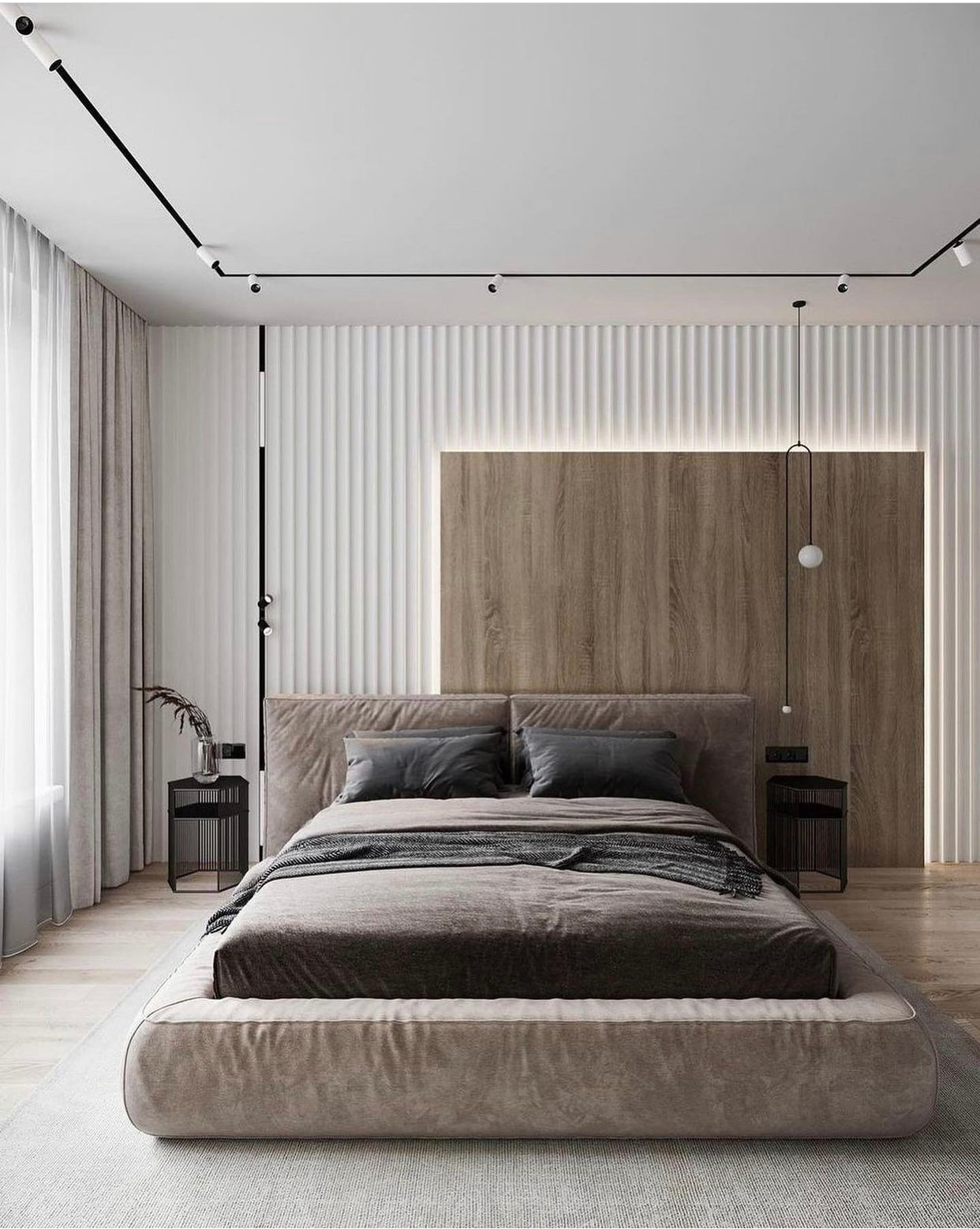 | Magnetic Series | Trimless Magnetic Lighting System | Architectural LED Lighting ₹2800 The Light House offers premium Trimless Magnetic Lights designed for modern architectural and interior lighting applications. View product → |
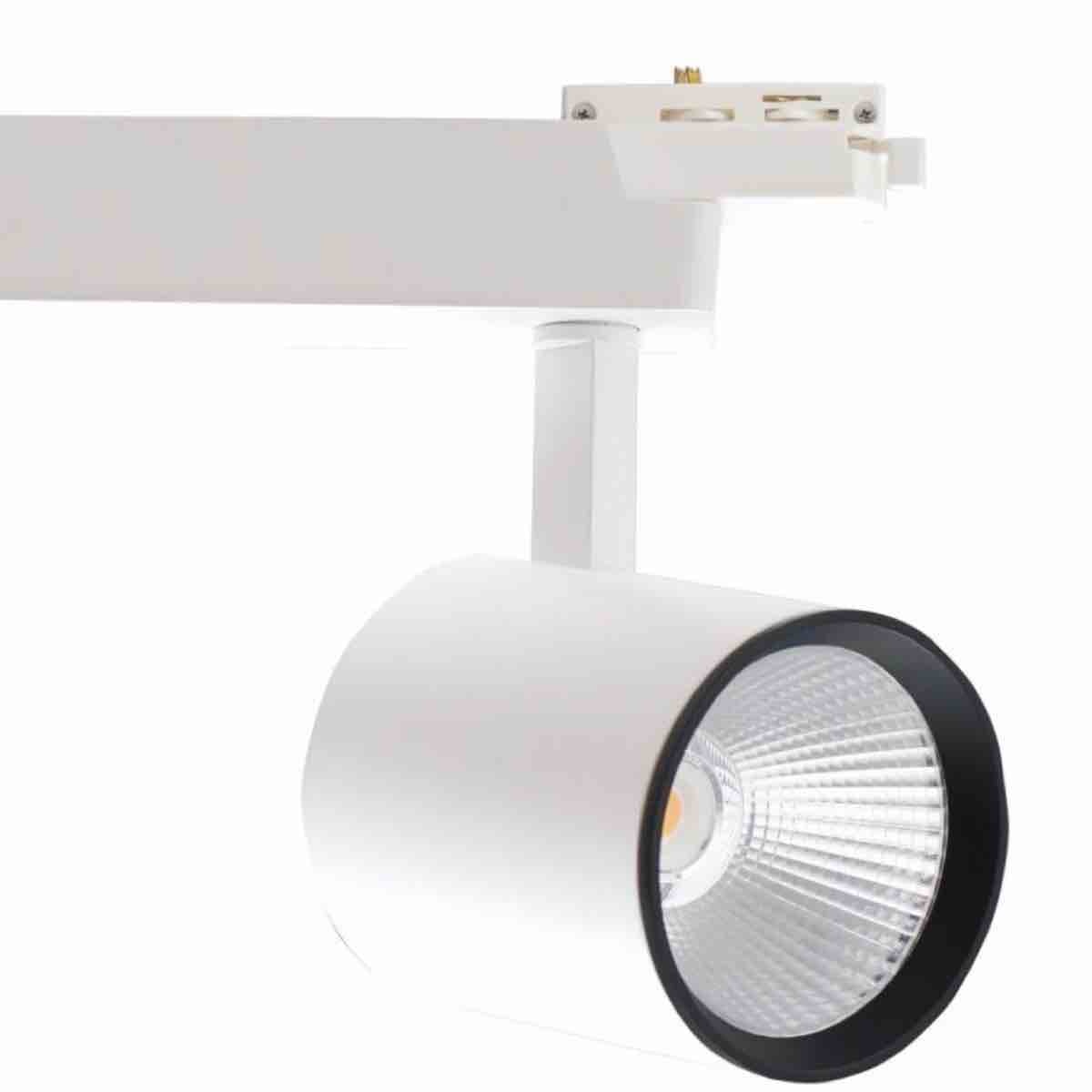 | LED Track Light | LED Wall Washer | Architectural LED Lighting | Commercial Lighting ₹1200 The Light House offers premium LED Track Lights and LED Wall Washers designed to provide high-performance, energy-efficient lighting for retail... View product → |
Frequently asked questions
When is surface-mounted magnetic track lighting the right choice?
Choose surface-mounted track for finished RCC ceilings, retrofit work, or interiors where cutting the slab or false ceiling is not possible. Plan secure fixings and a driver location below the existing ceiling.
How do you choose magnetic track light options for each room?
Select optics, colour temperature, glare control and dimming according to the room’s job, furniture layout and required visual comfort.
What must you calculate before ordering magnetic track lighting?
Calculate rail lengths, module quantities, lighting zones, total load and driver capacity before placing the order.
Which technical documents should you request from a magnetic LED track supplier in Hyderabad?
Request product dimensions, electrical ratings, driver specifications, photometric files, mounting details, wiring diagrams and installation instructions.
Keywords