
Choosing the right LED lighting is about much more than selecting a bright bulb. Every room, workspace, and commercial environment has unique lighting requirements that influence comfort, productivity, appearance, and energy consumption. Understanding how different LED lighting options work helps homeowners, architects, builders, and business owners create spaces that are both functional and visually appealing.
With rapid advances in lighting technology, customers in Hyderabad and across Telangana now have access to a wide range of energy-efficient lighting solutions designed for residential, commercial, and industrial applications. Knowing what to look for before making a purchase can help avoid unnecessary replacements and ensure long-term satisfaction.
Start by Understanding the Purpose of the Space
Every area serves a different purpose, and lighting should support those activities.
For example:
- Living rooms benefit from warm, comfortable lighting.
- Kitchens require brighter illumination for food preparation.
- Bedrooms are better suited to softer lighting that promotes relaxation.
- Offices need balanced lighting that reduces eye strain.
- Retail stores require attractive lighting that highlights products.
- Warehouses and factories demand high-performance lighting with excellent visibility.
Selecting lighting based on how a space is used creates a more comfortable and practical environment.
Consider Brightness Instead of Wattage
Traditional lighting products were often selected according to wattage. LED lights, however, should be chosen based on lumens, which measure actual light output.
Higher lumens provide brighter illumination while consuming significantly less electricity than conventional lighting.
This allows property owners to reduce energy costs without compromising lighting quality.
Select the Appropriate Colour Temperature
Colour temperature influences both the appearance of a room and the way people feel within it.
Common options include:
- Warm White for bedrooms, hotels, restaurants, and living areas.
- Neutral White for kitchens, classrooms, and healthcare environments.
- Cool White for offices, factories, parking areas, and commercial spaces.
Using the correct colour temperature helps create the desired atmosphere while improving functionality.
Pay Attention to Beam Angle
Beam angle determines how light is distributed throughout a room.
A narrow beam focuses light on a specific object or feature, making it ideal for display lighting and artwork.
A wider beam spreads light evenly across larger spaces, making it suitable for offices, conference rooms, retail stores, and homes.
Selecting the correct beam angle improves illumination without creating unwanted shadows.
Choose Fixtures That Match the Interior Design
Modern lighting has become an important design element.
LED lighting is available in numerous formats, including:
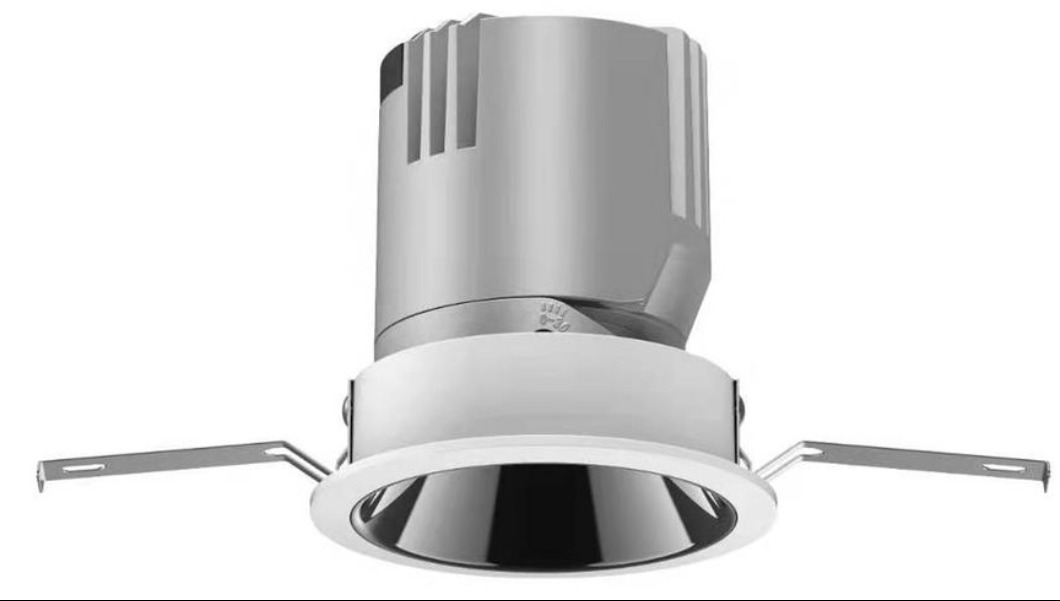
- Recessed ceiling lights
- Surface-mounted fixtures
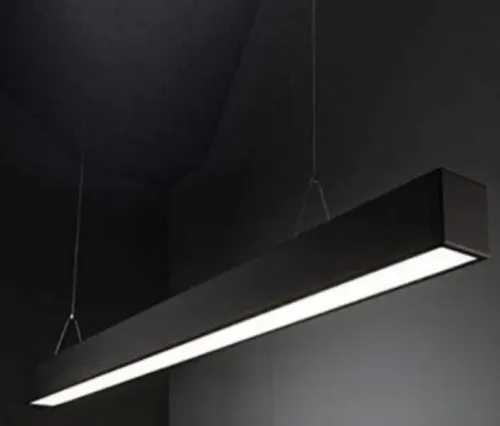
- Suspended lighting
- Track lighting
- Decorative architectural lighting
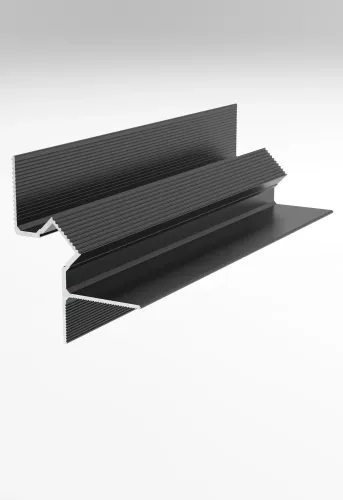
- Linear profile lighting
The fixture should complement the interior rather than simply provide illumination.
Architects and interior designers frequently integrate lighting into the overall design to enhance visual appeal while maintaining functionality.
Think About Energy Efficiency
One of the primary reasons many people choose LED lighting is lower electricity consumption.
Quality LED products offer:
- Reduced power usage
- Longer operational life
- Lower maintenance costs
- Reduced replacement frequency
- Consistent illumination
Although premium LED lighting may have a higher initial cost, the long-term savings often outweigh the upfront investment.
Look for Reliable Build Quality
Lighting systems are expected to perform consistently for years.
When evaluating LED products, consider:
- Heat dissipation design
- Driver quality
- Material durability
- Corrosion resistance
- Stable light output
Poor-quality products often experience brightness reduction, colour inconsistency, or premature failure.
Selecting products from established manufacturers helps improve long-term reliability.
Consider Smart Lighting Requirements
Many new residential and commercial developments incorporate smart lighting systems.
Features may include:
- Motion sensors
- Automated scheduling
- Dimming controls
- Remote operation
- Energy monitoring
Planning for these capabilities during the selection process can simplify future upgrades.
Match Lighting with Ceiling Design
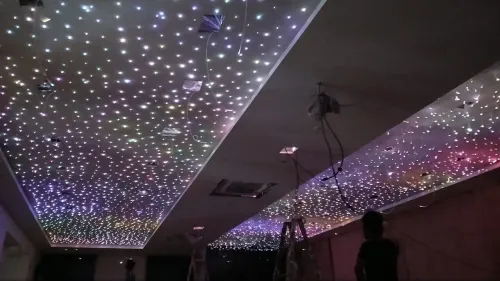
Modern interiors often include false ceilings, stretch ceilings, decorative profiles, and architectural features.
Lighting should be selected alongside ceiling design rather than afterwards.
Proper planning ensures:
- Uniform illumination
- Hidden light sources where required
- Better visual balance
- Cleaner ceiling aesthetics
This integrated approach produces a more sophisticated final appearance.
Think About Future Maintenance
Lighting systems installed in commercial buildings, offices, factories, and high ceilings should remain easy to maintain.
Choosing fixtures with readily available components and reliable support helps minimise downtime and maintenance expenses.
This consideration is particularly important for businesses where uninterrupted lighting is essential.
Work with an Experienced Lighting Manufacturer
Professional guidance often makes a significant difference, particularly for large residential developments, offices, retail projects, and industrial facilities.
Manufacturers such as The LightHouse assist customers by recommending suitable lighting solutions based on project requirements instead of focusing solely on individual products. Their experience with residential, commercial, and industrial lighting projects across Hyderabad enables customers to select systems that combine performance, efficiency, and long-term value.
Choosing the best LED lights for every space involves balancing brightness, colour temperature, efficiency, design, durability, and application. Careful planning ensures lighting enhances both the appearance and functionality of a property while delivering reliable performance for many years.